

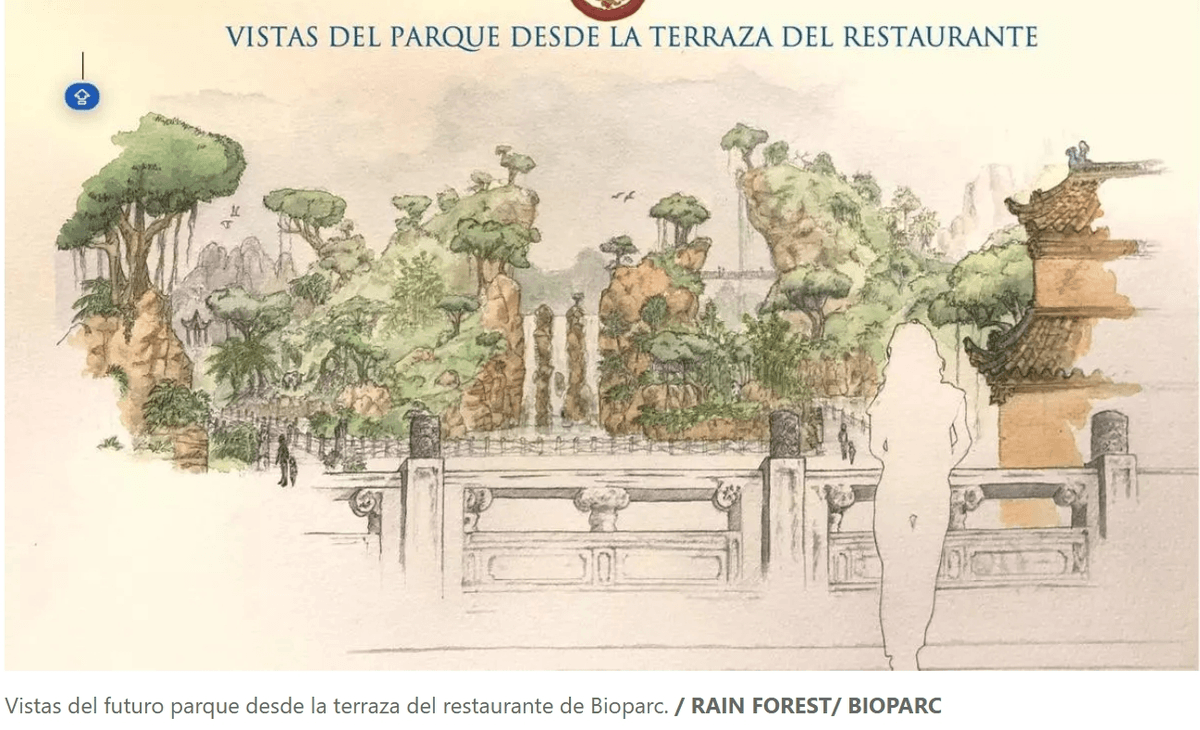
Over the coming years, Valencia’s Bioparcwill undergo a major expansion project worth 64 million euros,recreating the historical significance of the Silk Road and the culturalties it forged between Valencia, China, and Africa. Throughout history, the Silk Road played a vital role in cultural exchange, economic prosperity, and the development of civilizations. The expansion will be carried out in three phases.
The project was announced this Monday by Valencia’s Mayor, María José Catalá, who remarked: “This comprehensive project will restore Valencia’s prominent role on the Silk Road, offering visitors a cultural and leisure journey stretching from its origins in China to the heart of our city, once renowned for its magical oriental silk. The expansion will further consolidate Bioparc as a landmark of family tourism and as a space committed to sustainability, science, research, and education.”The first phase is expected to open to the public in 2027.
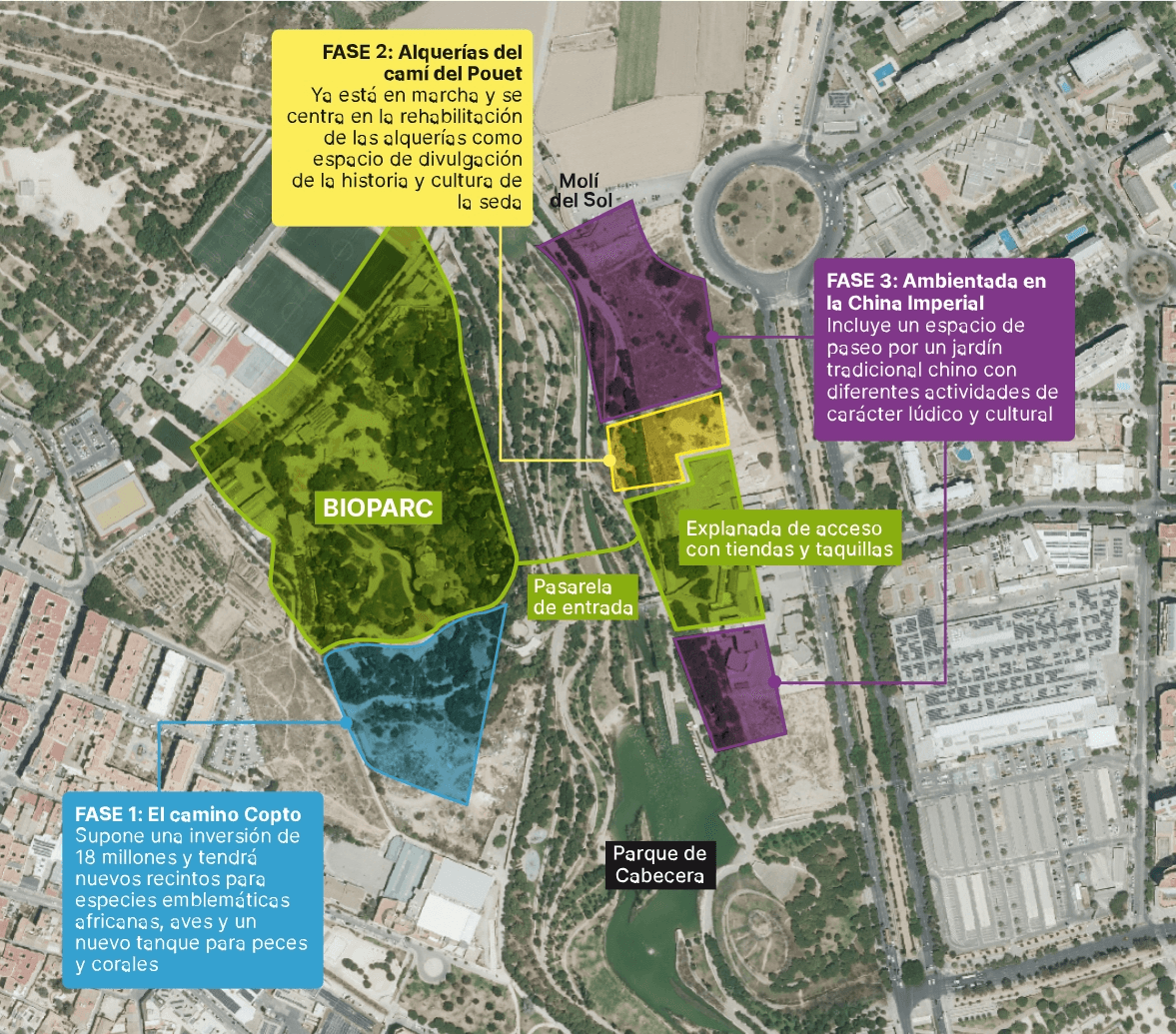
The three phases of the expansion
According to Fernando González Sitges, director of the Bioparc Foundation, the expansion area adjacent to Cabecera Park will be developed in three stages: The Coptic Road, The Alquerías, and The Chinese Garden.
Phase One: The Coptic Road
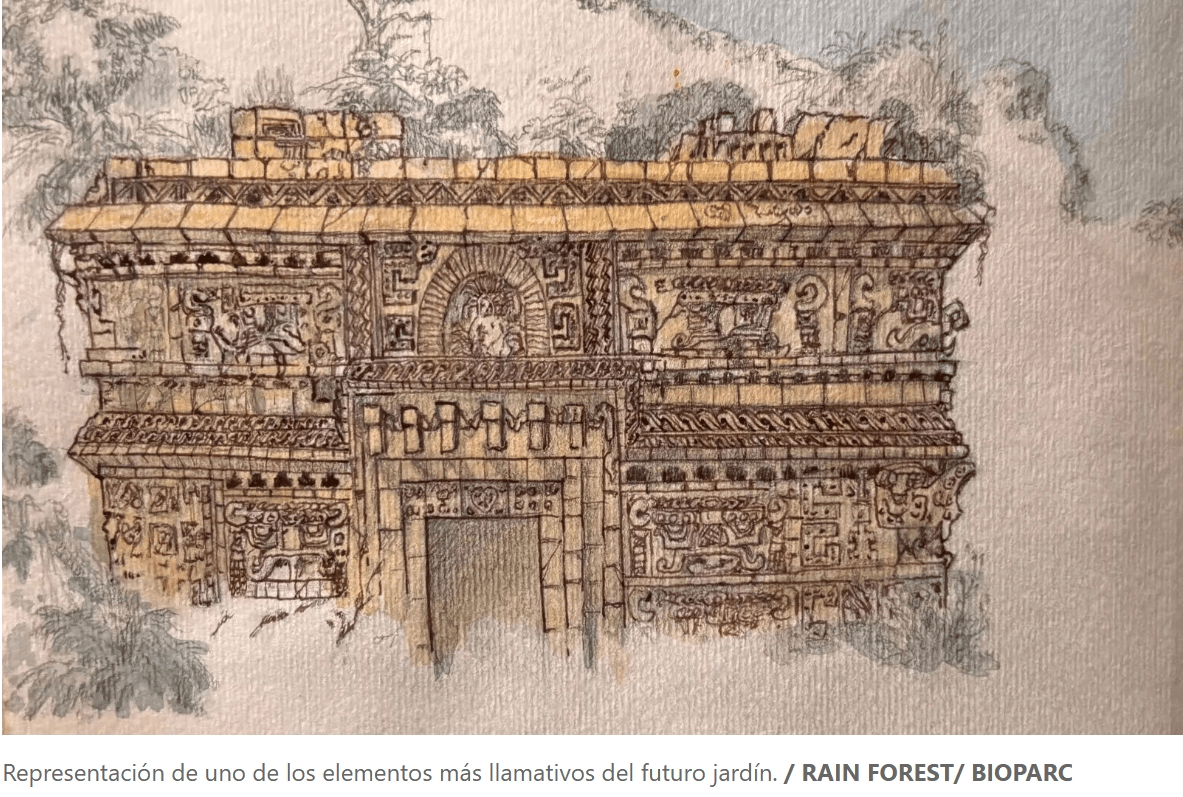
With an investment of 18 million euros, this phase has already begun. It will feature new animal exhibits with representative African species, infrastructure upgrades, and a new fish and coral pool. It will recreate a little-known maritime section of the Silk Road—the Coptic Road—linking Mombasa (Kenya) to Alexandria (Egypt). The area will reproduce ecosystems such as the Red Sea and Ethiopian farms, highlight cultural and religious landmarks like pharaonic temples, and showcase the role of animals in Ancient Egyptian culture. A large aviary, themed children’s play area, and a restaurant inspired by Stone Town in Zanzibar will also be included.
Phase Two: The Alquerías
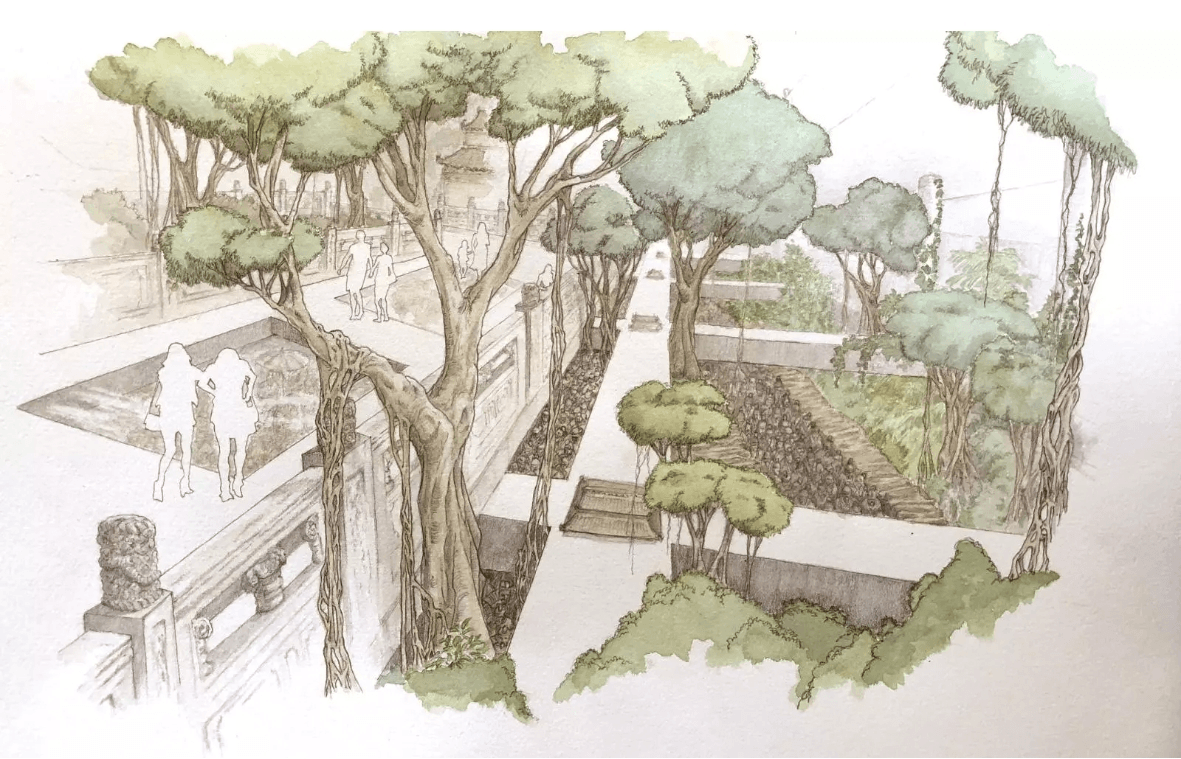
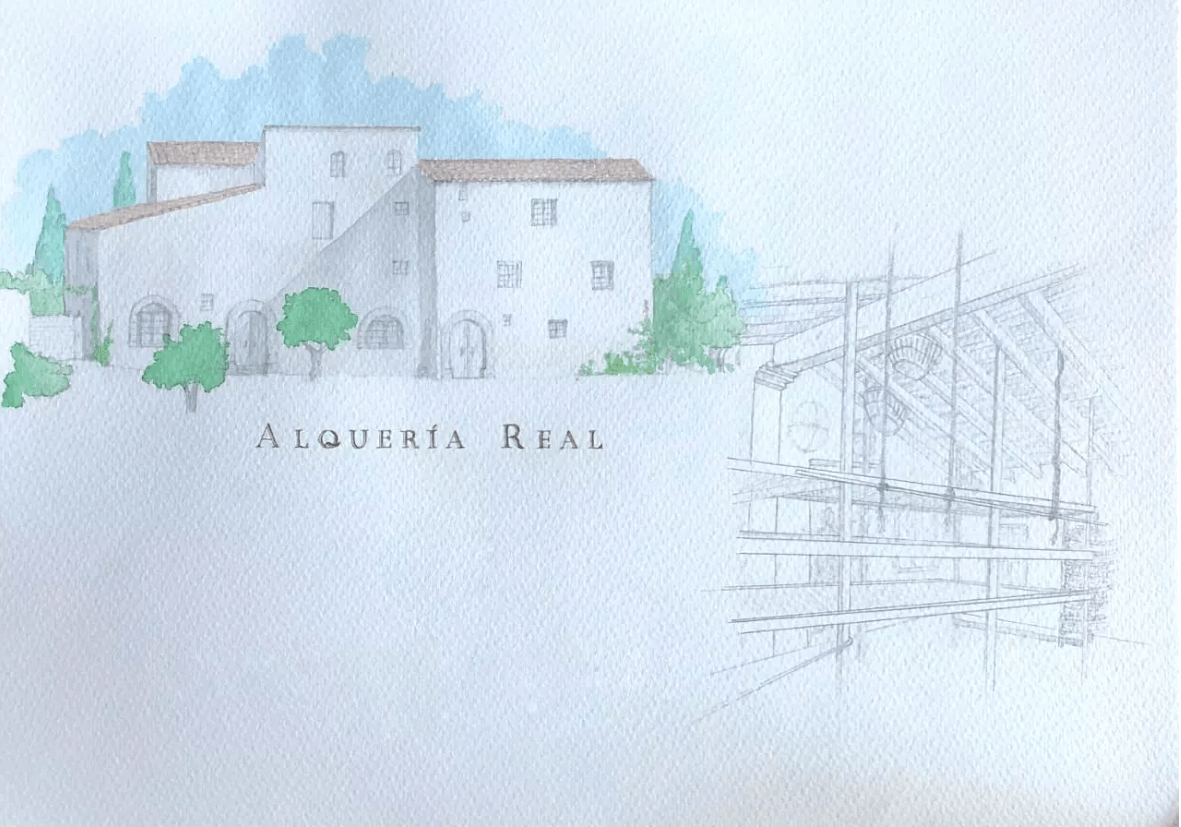
Work is also underway to restore the park’s traditional alquería farmhouses. These will become an educational and interpretive space showcasing how the Silk Road crossed the Mediterranean from Alexandria to Valencia. Visitors will learn about the rise of sericulture, the cultivation of mulberry trees, and Valencia’s central role in silk production. The exhibits will include the silkworm’s life cycle, weaving demonstrations, and insights into the city’s historic legacy. The restoration, with a budget of over 1.2 million euros, has already completed about 40% of its structural reinforcement.
Phase Three: The Chinese Garden
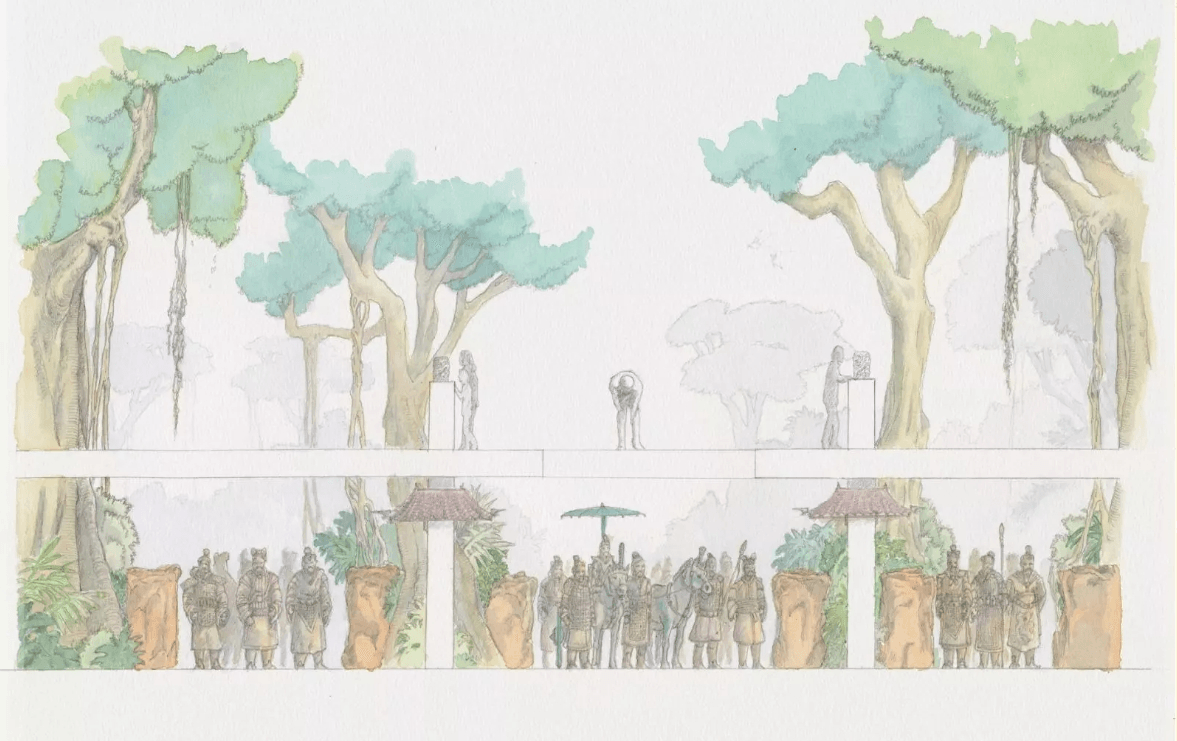
The final stage, with an investment exceeding 44 million euros, will recreate the atmosphere of “ImperialChina.” Covering the park’s entrance area, it will integrate natural, cultural, and recreational elements. Visitors will enjoy a Chinese garden with cultural and leisure activities, exhibits on traditional farming life, shadow play performances, tea ceremonies, river ecology displays, and an innovative virtual reality experience that allows them to “ride a dragon” across China’s most famous national parks.
Project impact
Once completed, the expansion—rich incultural and museological content—is expected to increase annual visitors by half a million, nearly doubling the current 650,000, of which more than 60% are international or from other regions of Spain.
At the presentation, Mayor Cataláem phasized Bioparc’s importance, calling it “the best zoo in the world, a source of pride and a symbol of the city.” Since its opening in 2008, Bioparc has grown steadily in visitor numbers, social impact, and significance as a center for animal protection. It also serves as an educational model, raising environmental awareness and promoting respect for wildlife and nature.
This article has been adapted from areport by the Valencian media outlet Levante, and the images are sourcedfrom that publication.
About Bioparc Valencia
Opened in 2008, Bioparc Valencia is an immersive wildlife park internationally renowned for its “barrier-free” design, which places visitors in recreated natural habitats. Featuring ecosystems such as the African savanna, Madagascar rainforest, and equatorial rivers, Bioparc offers a unique educational experience while supporting species conservation.